My path on two lines: Physics & Engineering and User-Centric Design
Geile Sachen bauen is building great things that need physics, engineering, and an eye for people. For me, the best part of work is when a challenge gives the opportunity to build creative solutions. Here is what I picked up along the way. Similarities? Let's get in contact.
Physics teaches you to break a problem down until a model explains it. The open question for me was where to apply that. I wanted something I could build and measure with my own hands.
B.Sc.Bachelor of Physics, 2007–2011With a focus on medical physics and laser physics. Bachelor's thesis: development of a microscope for single-molecule spectroscopy using "Single Molecule Cut and Paste".
M.Sc.Master of Physics, 2011–2014With a focus on biophysics and nanotechnology (NIM & CeNS). Master's thesis: development of a laser microscope for measuring cell activity on nanostructures.
2011–2014
Research: How to build a lens-free microscope to save costs in cell analysis
LMU Munich · Research
Lens-based cell microscopy is expensive. My thesis therefore investigated how information such as cell vitality, cell division and growth behaviour can be measured without any optical lenses.
Research within the Nanosystems Initiative Munich (NIM) and the Center for NanoScience (CeNS).
It started with my bachelor's thesis in 2011: Development of a microscope for single-molecule spectroscopy using "Single Molecule Cut and Paste".
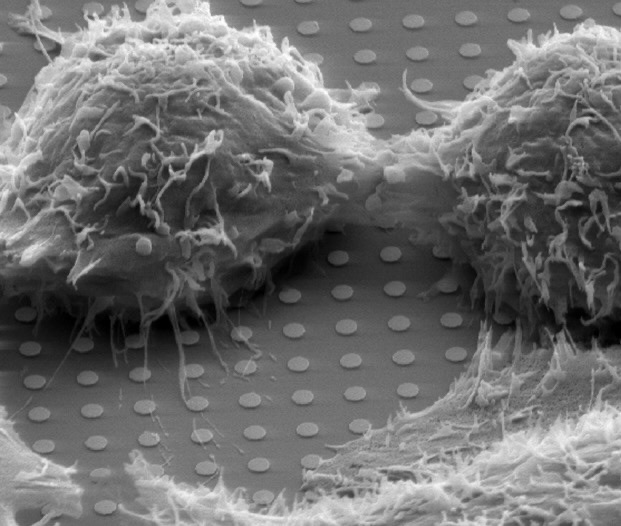
Human cancer cell A549 on the self-made gold grating, caught in the moment of cell division (self-made SEM image, shock-frozen, 5000× magnification, LMU Munich, 2014)
The solution: let the cells grow on a periodic nanostructure made of gold, and take a close look at the Bragg pattern of the reflected light, which the cells disturb. The light intensity revealed the confluence, i.e. the cell density on the surface. A frequency analysis of these measurements in the kilohertz range also revealed the vitality of the cells, and even apoptosis, when a cell breaks down into its parts before it dies, could be detected with this method.
The image above was taken at LMU. It shows that the cell was fully vital until it was shock-frozen: it survived on the self-made, lithographically structured optical grating and even multiplied, as it was caught in the moment of cell division.
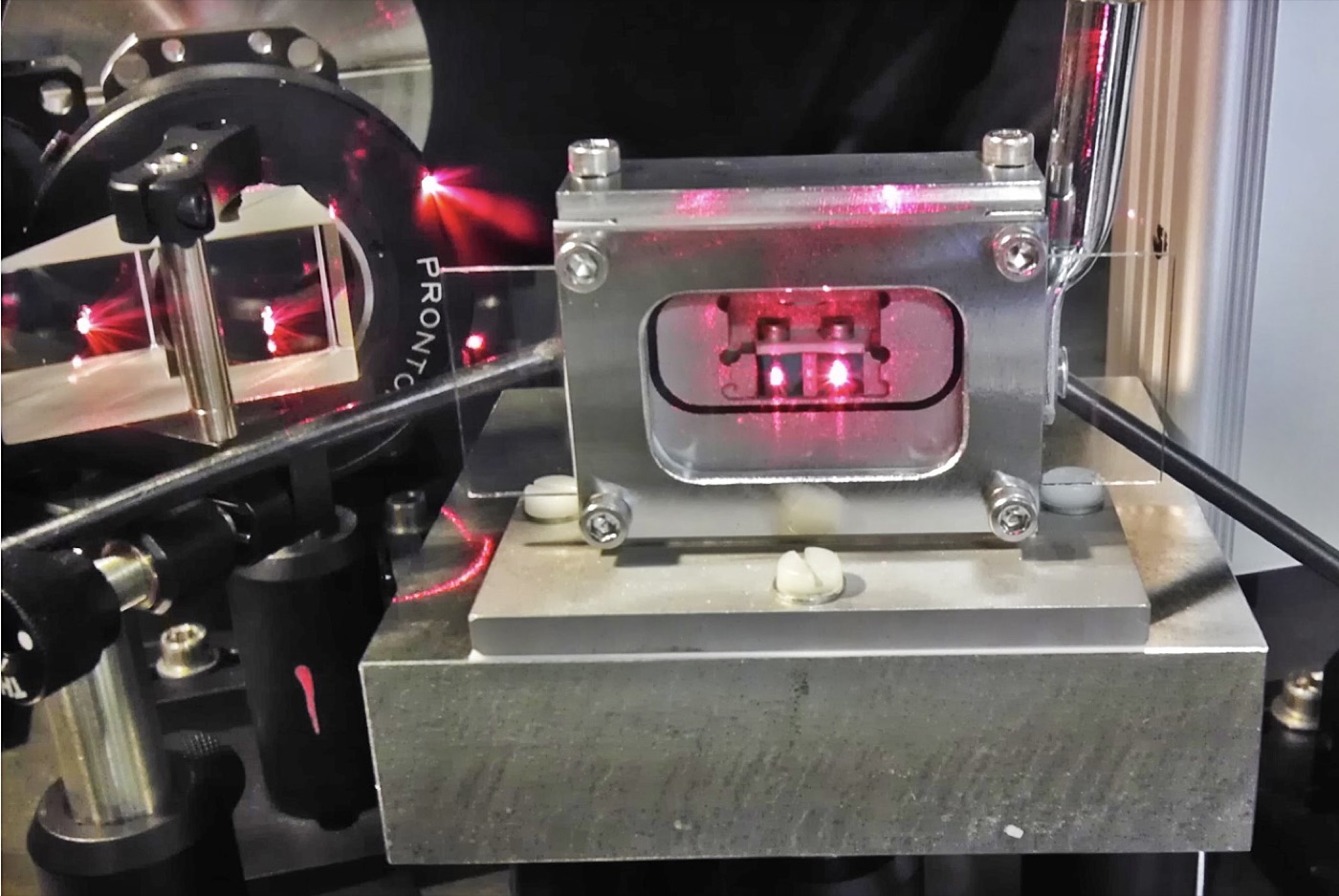
The image below shows my experimental setup: two samples were measured simultaneously (one with and one without cells) to compensate for drift and to make sure that the measured signal really came from the cells.
The self-built probe chamber for cell growth in the laser setup
These results led to further experiments with cells and bacteria, culminating in the formation of the start-up Phio by my former colleague and supervisor Philipp Paulitschke.
2015–2017
Systems Engineering: How to become safety and EMI compliant for a 1.3 billion dollar military project
Renk Magnet-Motor, Starnberg · Systems Engineer
The Hawkei is a protected military vehicle by Thales Australia, a programme worth 1.3 billion Australian dollars. Magnet-Motor developed its power generation system: with only the 24-volt military standard, 30 kW of generator power means more than 1,000 A of current, enough energy to power the starter for the 272 hp (200 kW) Steyr M16 diesel engine, all on-board electronics and the equipment for the field. The requirement in this field is a robust system with high reliability at military grade and extremely low electromagnetic radiation (EMI), to avoid interference with the sensitive antennas and to guarantee interference-free transmission and a successful mission.
As systems engineer, I accompanied the system from prototype validation to certified series production. I led the EMI engineering team through filter design and MIL-STD-461 testing, set up our in-house EMI chamber, and rebuilt the DOORS requirements database to close the traceability gaps between system, subsystem and component level.
The project was completed successfully: today, more than 1,000 Hawkei vehicles are in service.
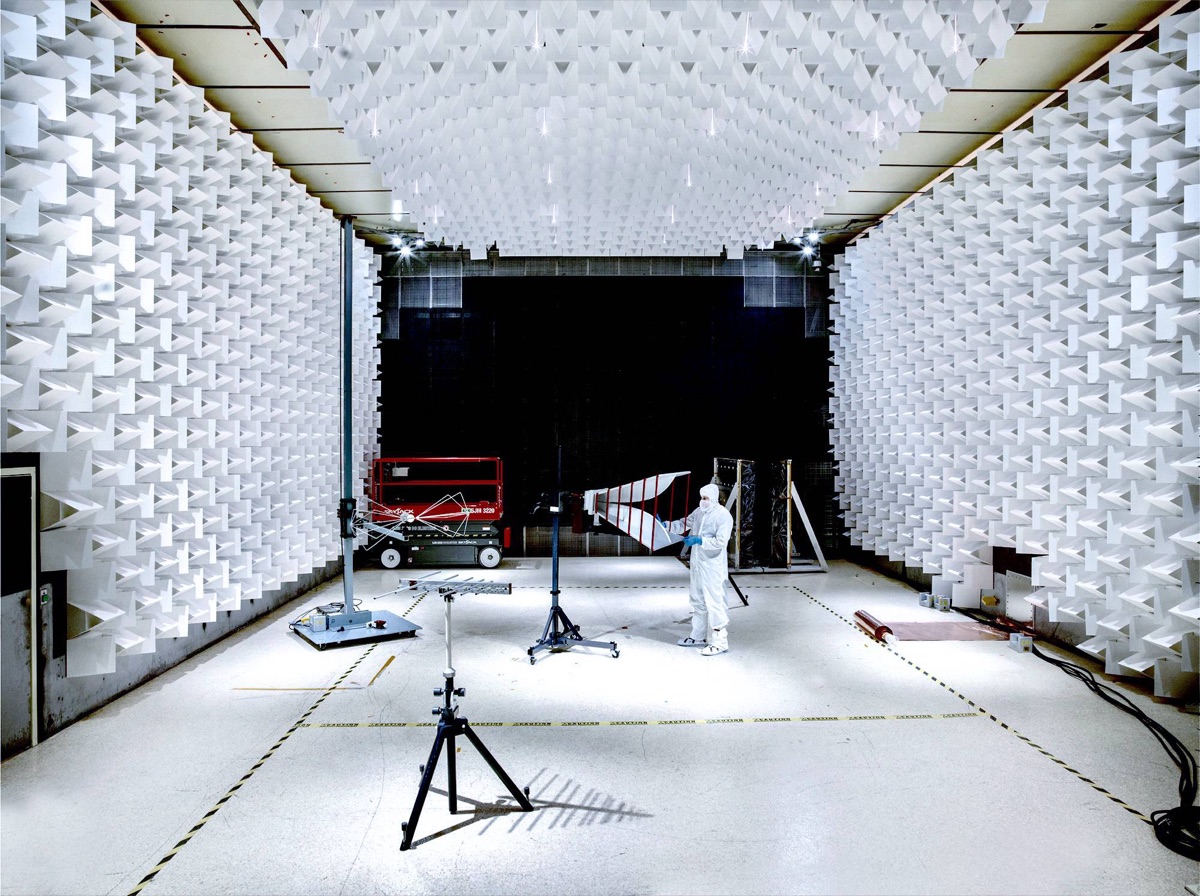
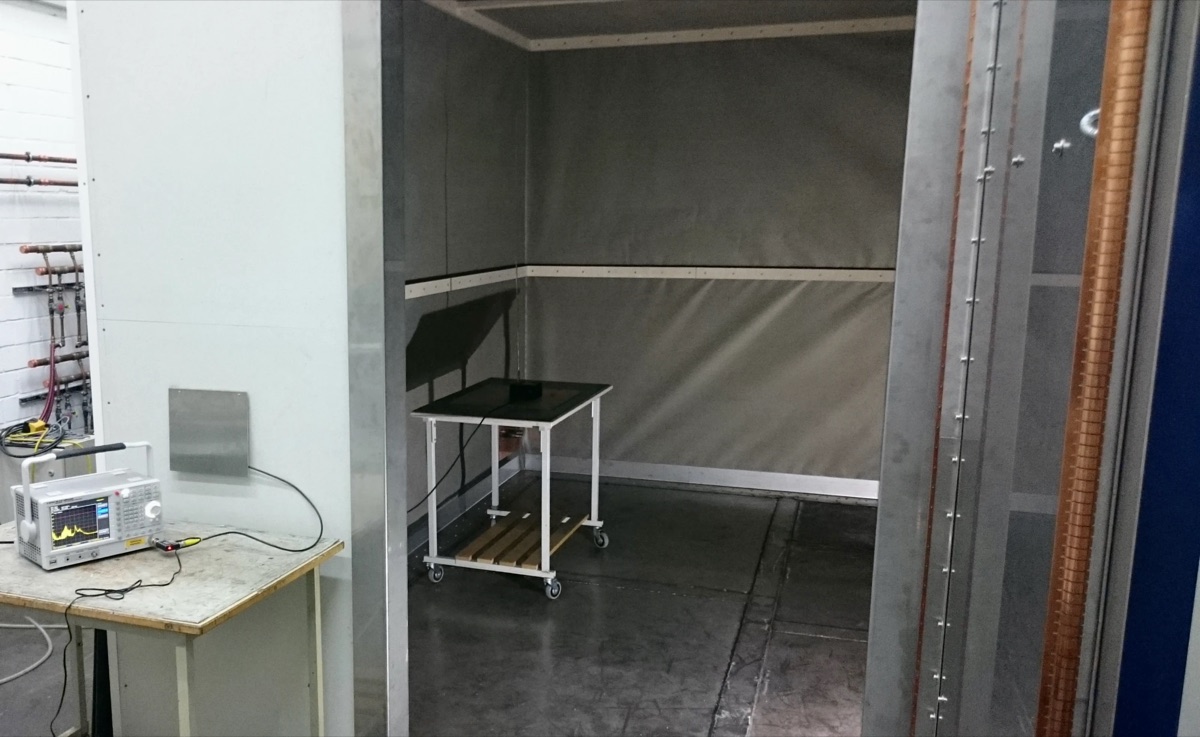
Certified EMI test chamber lined with absorbersIn-house EMI chamber with a spectrum analyser in front
EMI measurements in certified test chambers are expensive and time-consuming, which is why we built an in-house EMI chamber for development work, where we used the IABG in Ottobrunn as an inspirational source. It let us measure early and often, and get the product ready for MIL-STD-461.
Introduced the company's first ISO 26262 functional safety process landscape, a requirement for the new product class.
Reliability analyses and FMEA to identify risks early and make the product safe by design.
2017–2018
Design Thinking: How to understand the user's needs in order to develop a product in the right direction
HPI d.school, Potsdam · Design Thinker
In engineering, requirements determine the product. Engineers like to follow requirements. It is easy and you know what to do. But who sets the requirements? Exactly this is where engineers have to understand humans - and they are not good at it.
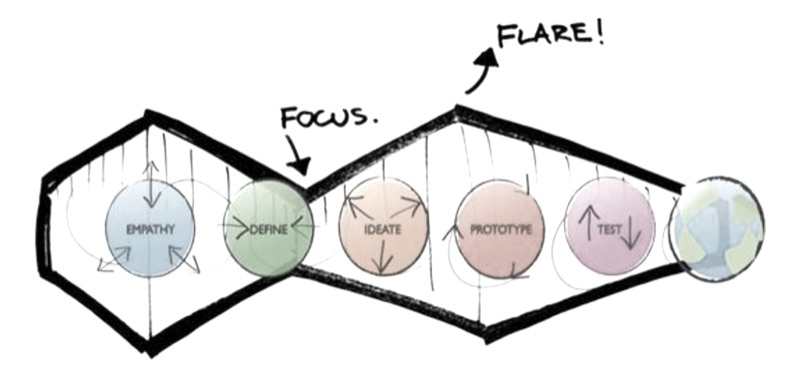
Design Thinking process with focus and flare. Source: d.school model via ux.stackexchange.com
Design Thinking is a six-step process that everyone can learn: understand, observe, point of view, ideate, prototype, test. But it is more than a process. It is a method for generating innovation that starts with the user: with empathy, interviews and observation. It was developed as a universal language for designers, and it is my personal key to working with people from various fields.
We applied the six-step innovation process to everything. The challenge: how can the experience of an instant noodle soup be redesigned? We conducted user research and built a prototype.
Four-month project with the University of Cologne: redesigning how teachers are educated in STEM (MINT) courses. User research and several prototypes for better collaboration in teacher education.
2018
Scrum: How to adopt agile methods in product development
EXIN, Berlin · Scrum Master & Product Owner
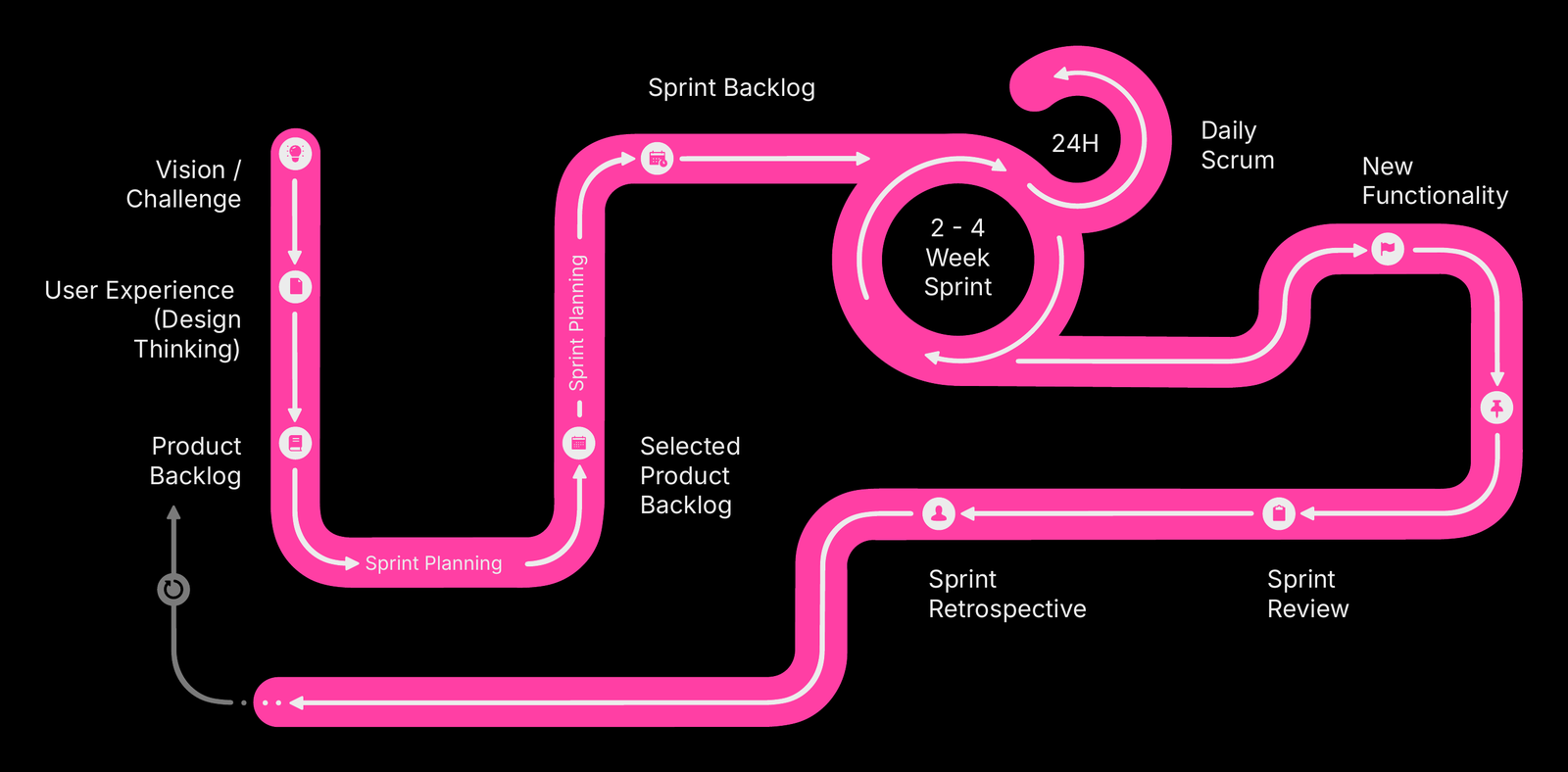
Scrum is an agile framework for product development. In this training I learned all about the Scrum framework, the agile way of working, Kanban boards, and how to implement an agile transformation within a company. Learning about the roles of Scrum Master and Product Owner gave me the opportunity to lead agile collaboration within the Scrum framework.
The Scrum process
EXIN is an exam and certification institute for IT professionals. Official certification as Scrum Master and Product Owner.
I learned Scrum because I missed an adoption of the ideas that came out of the Design Thinking process. Design Thinking in the end leaves the user just with a concept and mainly creates inspirational sources for further product development. What I wanted to learn is how to implement these ideas, coming from the user's needs, which set the requirements for the technical development that builds on them. Design Thinking finds the right problem and a first prototype. After that, a team has to build the product step by step, without losing the user on the way.
2018–2019
Startups: How to create a medical, an architectural, a social and a creative startup from scratch, from the perspective of Design Thinking
Berlin · Charité / BIH · BetaPort · d.collective
A startup begins with an idea and nothing else: no product, no users, no structure. Design Thinking gives the first steps an order: understand the people first, then build and test.
Photo: SuMus
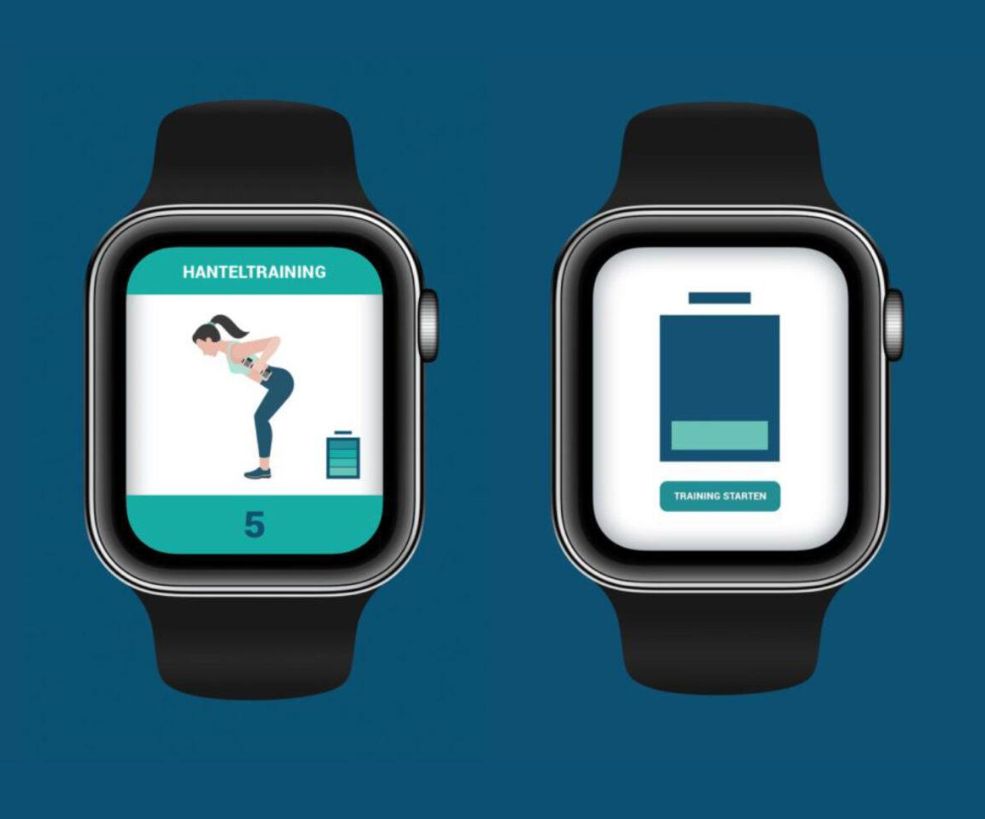
Lead coach for the Accelerator Program of Charité and BIH (Berlin Institute of Health). I worked with three design thinkers to coach four teams, conducting targeted interviews and designing tailored guidelines. From these insights, we co-developed SuMus, a virtual physiotherapist tool.
At Mermaid Studios, a Berlin studio for web design, I coordinated small Scrum projects (e.g. HessenForst, metr) and ran qualitative interviews to derive product features from user needs.
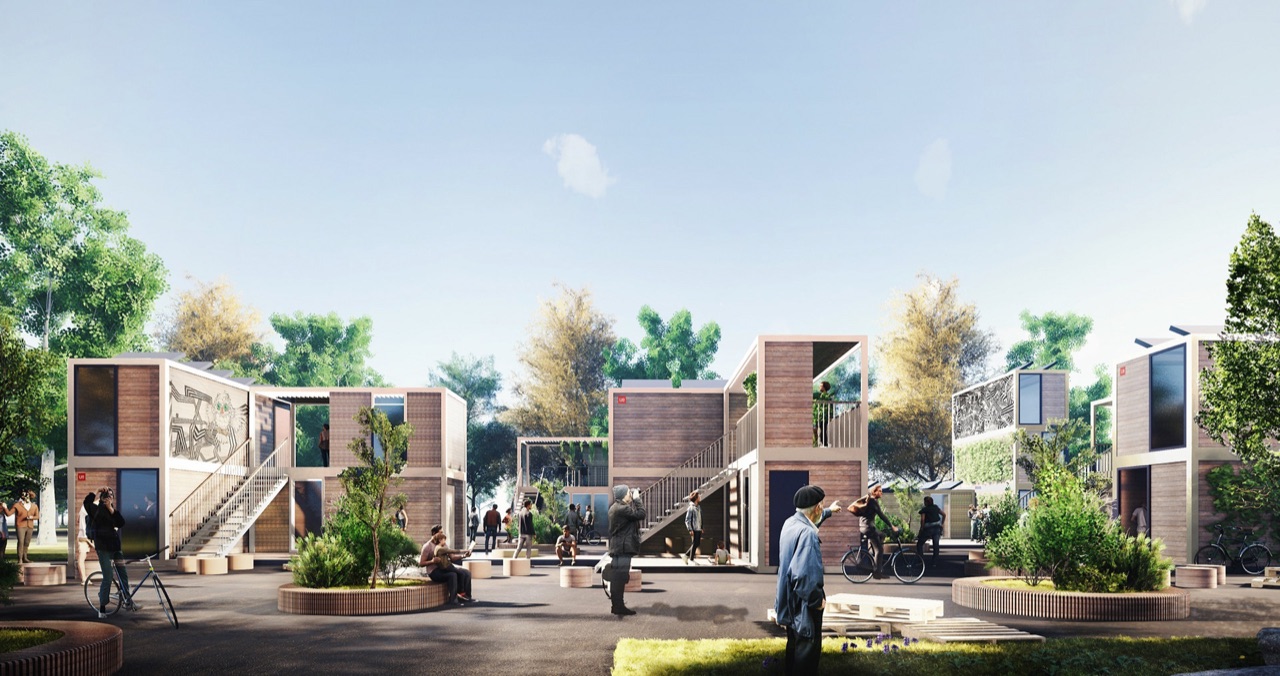
BetaHood: a neighbourhood to integrate homeless people with sustainable architecture (source: BetaPort via baunetz-architekten.de)
BetaPort is a Berlin start-up that began with a project on homeless integration (with Berliner Stadtmission, Housing First). I supported the founding team with the first workshops, ideation and project management.
Together, we designed a modular neighbourhood that integrates homeless people into everyday life. Its architecture follows sustainable cradle-to-cradle principles, and with this approach BetaPort is still a growing player in sustainable architecture.
2019–2021
Workshops: How to use Design Thinking as a workshop format for a variety of challenges
Freelance, Berlin · Workshop Facilitator
Every client brings a different field and a different group of people. The format has to work for all of them and still end with something tangible.
Designed and facilitated Design Thinking workshops in automotive, health, energy, education and start-ups, with a focus on user-centricity.
Accompanied product development and agile transformations for partners such as Siemens, University of Stuttgart, Viessmann, Signal Iduna and BTA.
Image: d.collective
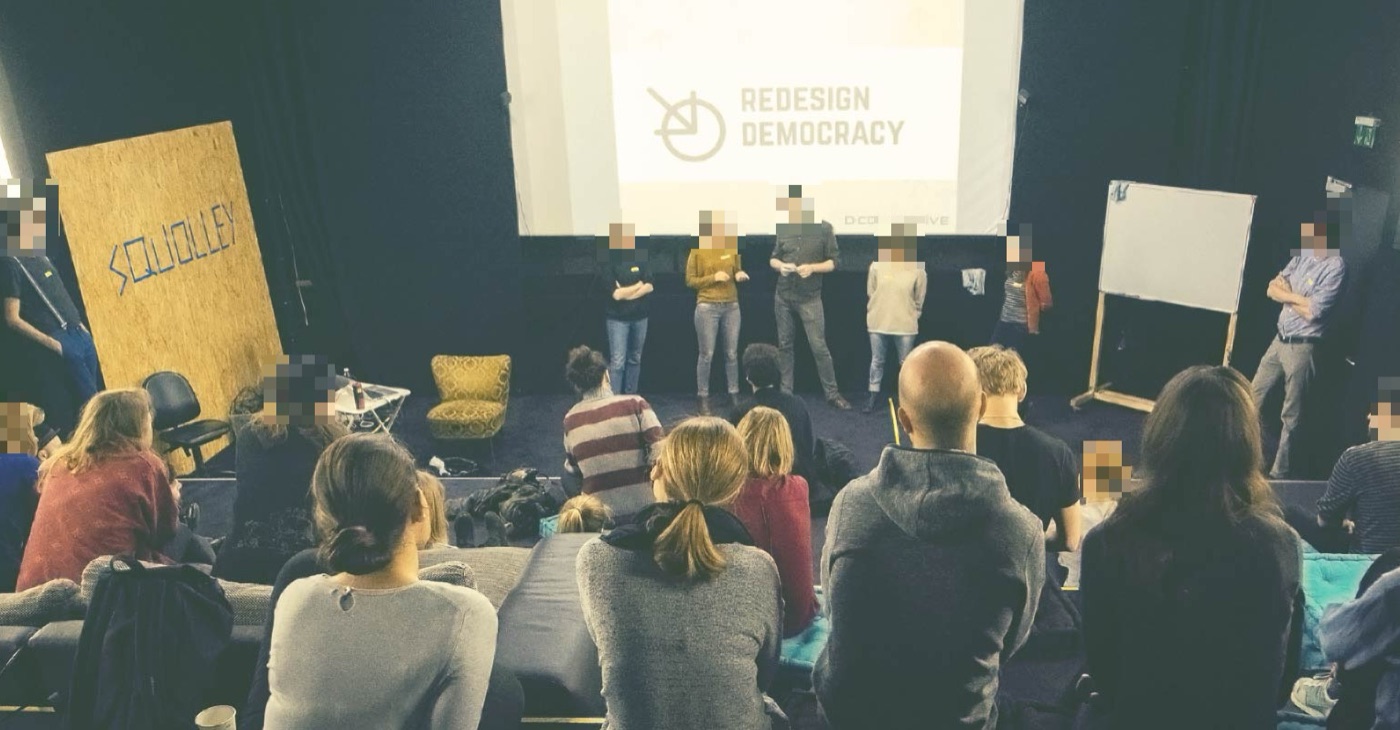
Redesign Democracy was the flagship project of the non-profit d.collective, a network hub for the Design Thinking community that provides a playground to develop and test new event and workshop formats. The goal: to empower people to improve their world through human-centred design.
The two-day workshop was open to the public. Participants pitched their ideas, developed them in teams with coaches and had the chance to pass their solutions on to policymakers.
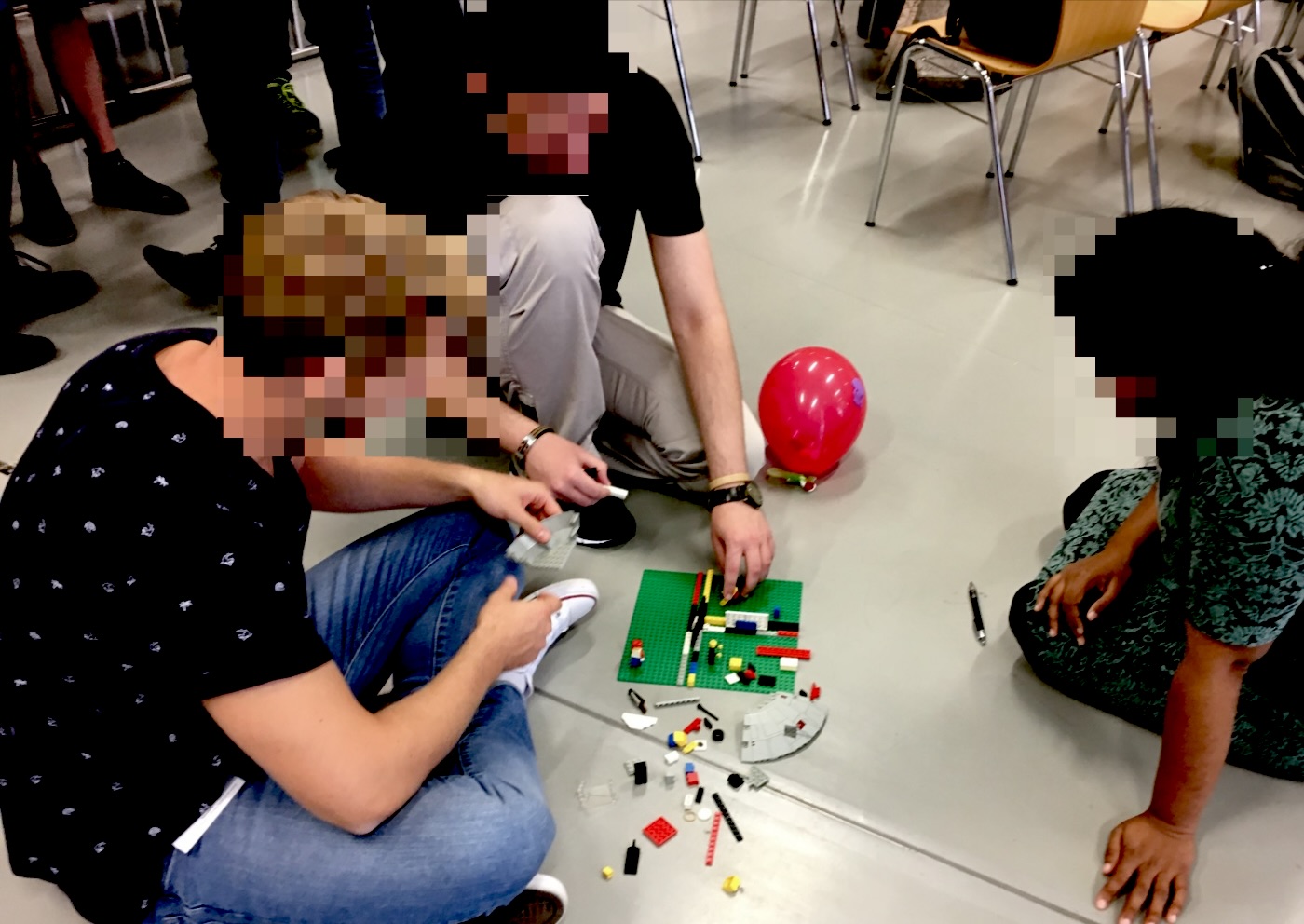
Workshop participants building a space station module with Lego bricks
How do we want to live in space? At the Space Station Design Workshop (SSDW) of the University of Stuttgart, international student teams designed modules for a future space station, seen from the perspective of the people who will live in it.
With User-Centric Design, the teams interviewed four astronauts and space experts: Reinhold Ewald, Romain Charles, Hervé Stevenin and Antonio Fortunato. From their insights, the teams built and tested first prototypes.
Design Thinking workshops at BTA Business Trends Academy, for managers in retraining programmes funded by the employment agency.
2021–2022
Test Engineering: How to implement an automated test system for software integration at Daimler
umlaut / Accenture Industry X · Mbition, Berlin · Test Engineer
Test engineers at Mbition (Berlin) validate roughly 8 billion lines of automotive code daily. Flashing each build onto physical vehicles doesn't scale, so cars are emulated by testbenches.
Photo: Adobe Stock
The MTTF project (Managed Test Target Farm) was a highly automated farm of 200+ interconnected HIL setups (hardware in the loop). In this way, Daimler engineers worldwide could access them through a browser application, without needing any test hardware on site.
In a small team, we led and scaled a satellite of the MTTF directly at Mbition, Daimler's software factory in Berlin, from ~30 to 100+ testbenches – while staying in close contact with the mothership for software development.
Besides IT support, my job was to ramp up the testbenches and to improve them with a user-centric design: I colour-coded the plugs and handed out an onboarding flyer to all engineers, which reduced misuse and downtimes.
Solution presentation at Green Innovation Pitch (source: adobe stock)
Together with the sustainability department, I designed and facilitated the "Green Innovation Pitch", an internal contest for 5,000 umlaut engineers on how to improve sustainability at their own workplace. Three standout projects received coaching and funding.
2023–2024
Experience Design: How to build a campus for renewables in the field of IIoT and risk management from scratch
HDI TH!NX Campus, Berlin · Workshop & Experience Lead
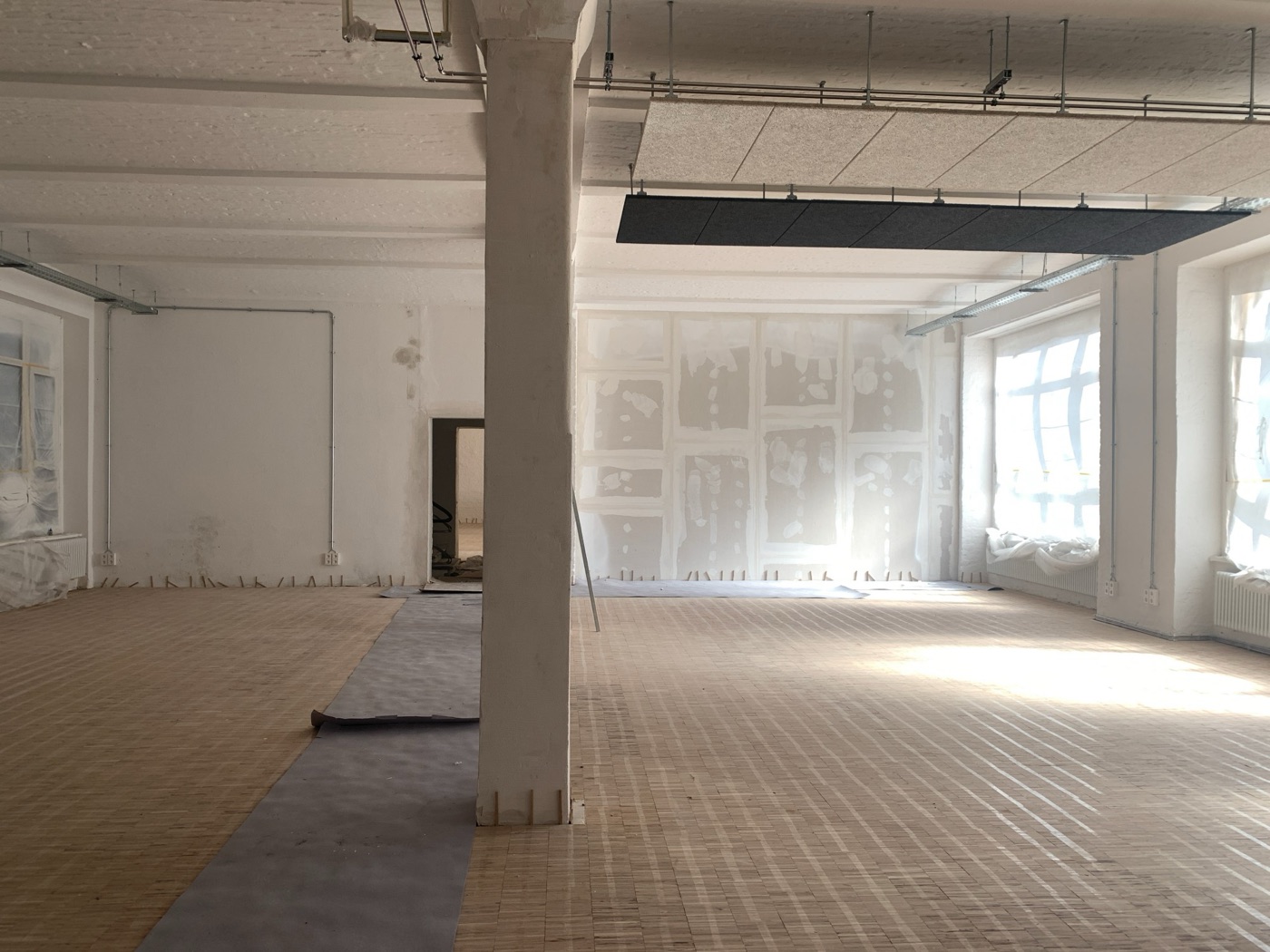
In just five months, we (a team of 4 people from HDI TH!NX / PROTH!NX) had to transform 320m² of empty space into an interactive hub for IIoT and Risk Management.
The empty 320 m² space before the build-up. Photo: HDI TH!NX
A cold call on LinkedIn, could not say no to that challenge. In my role as Workshop & Experience Lead my responsibility was to shape the visitor experience for maximum satisfaction, synergy, topic-immersion and Business opportunities. This meant conceptual work, but also hands-on: Space design, user-centricity and lot's of Engineering & Teamwork to get things done until the opening.
Opening the campus 5 months later
The campus features six areas, including a showcase of IIoT milestones, a Smart Home demo, and an interactive game illustrating Industrial IoT. The Engineering Lab highlighted IIoT device fabrication and functioned as a hands-on workshop, while another space focused on Risk Management applications with self-built product demos from industry partners. The event hub, designed for keynotes with up to 100 attendees.
Product Demos: Leak360 by PROTH!NX
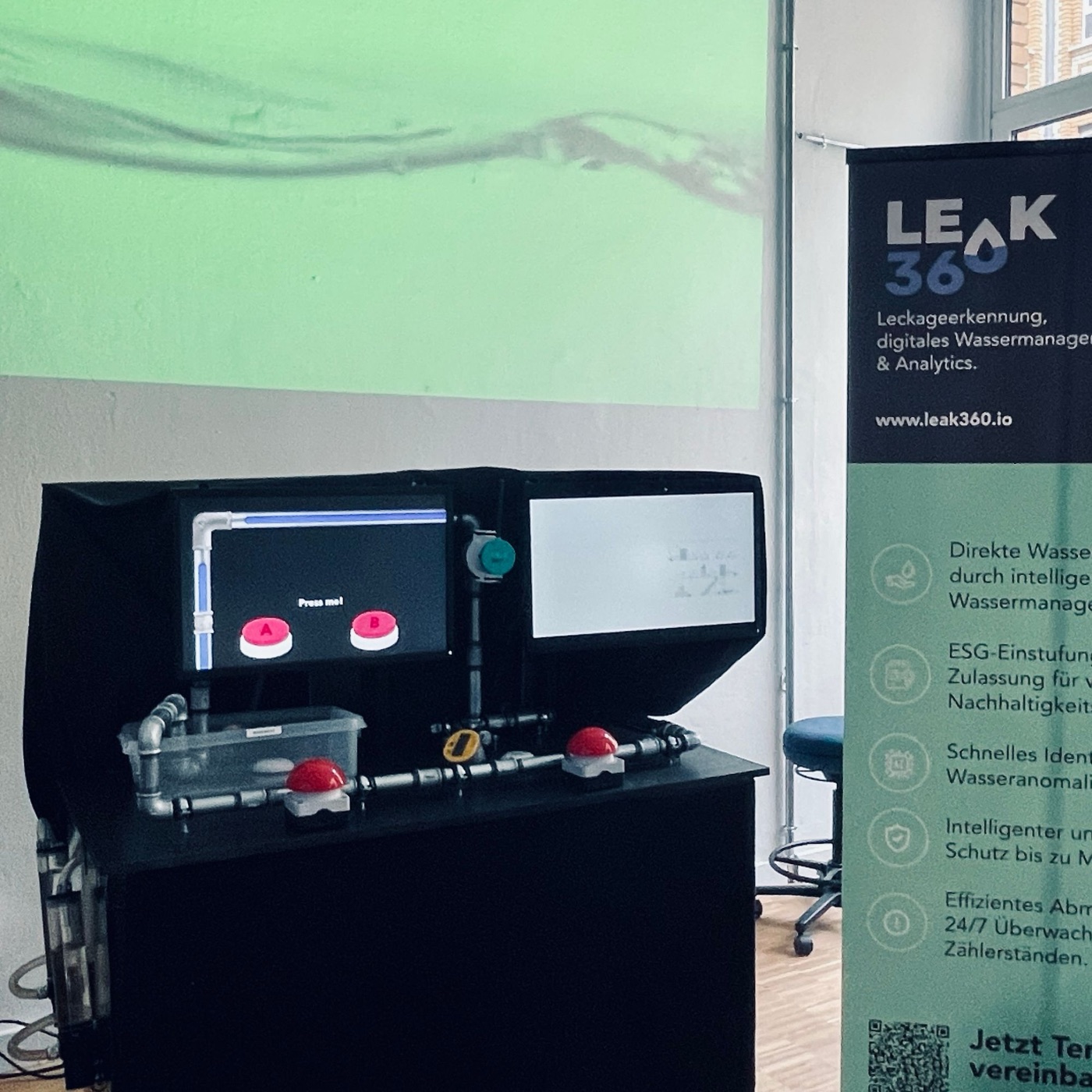
The Leak360 demo
What I like about product demos is that they turn complex services into something tangible and interactive. Building them is a creative challenge with many stakeholders, balancing technical accuracy and simplicity.
Leak360 by PROTH!NX helps to prevent water damage and conserve resources. It is a real-time water management and leak detection system designed to help users monitor and optimize water consumption while providing automated leak protection. It offers real-time data visualization and alerts via a digital dashboard, enabling quick responses to potential issues.
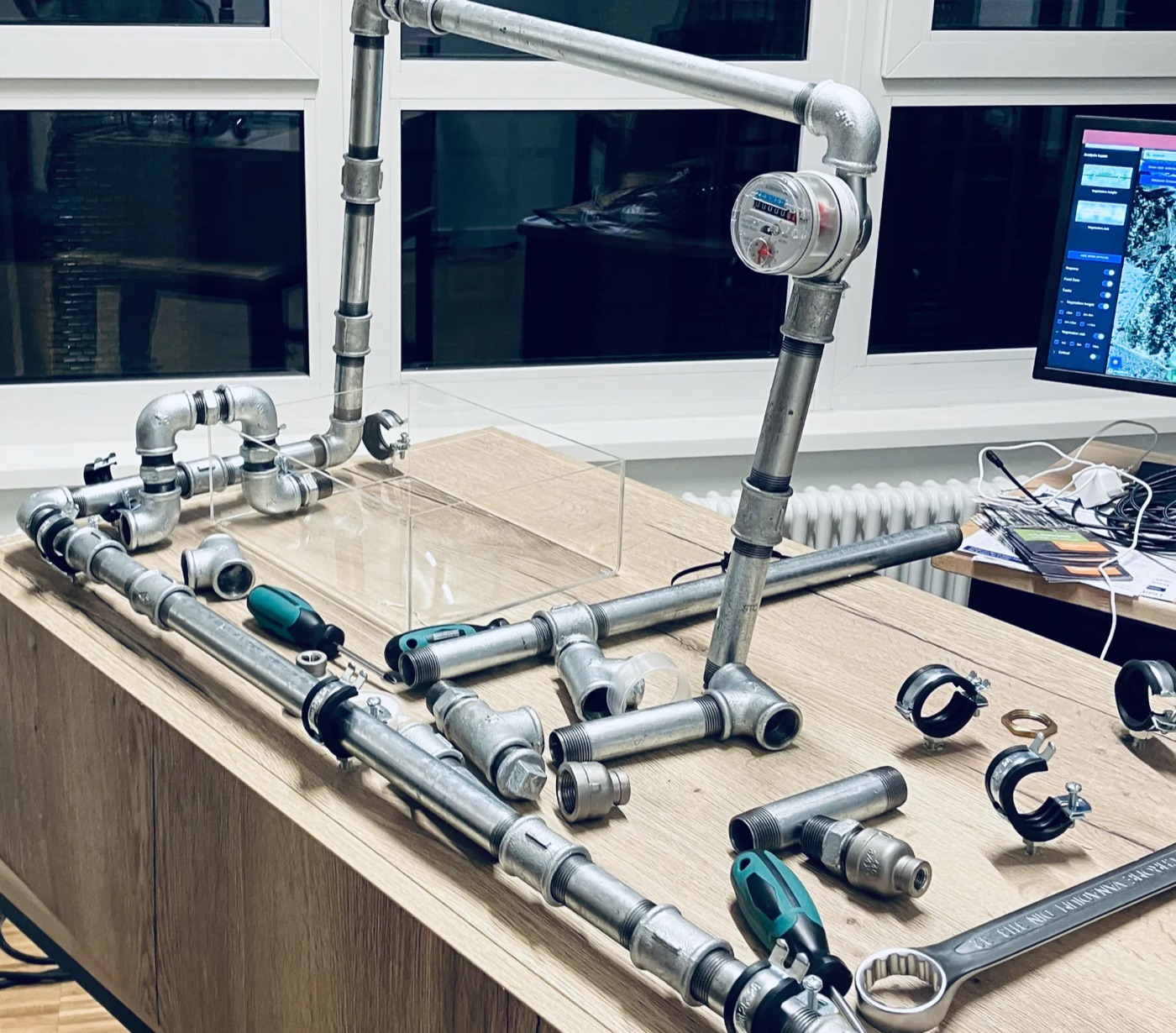
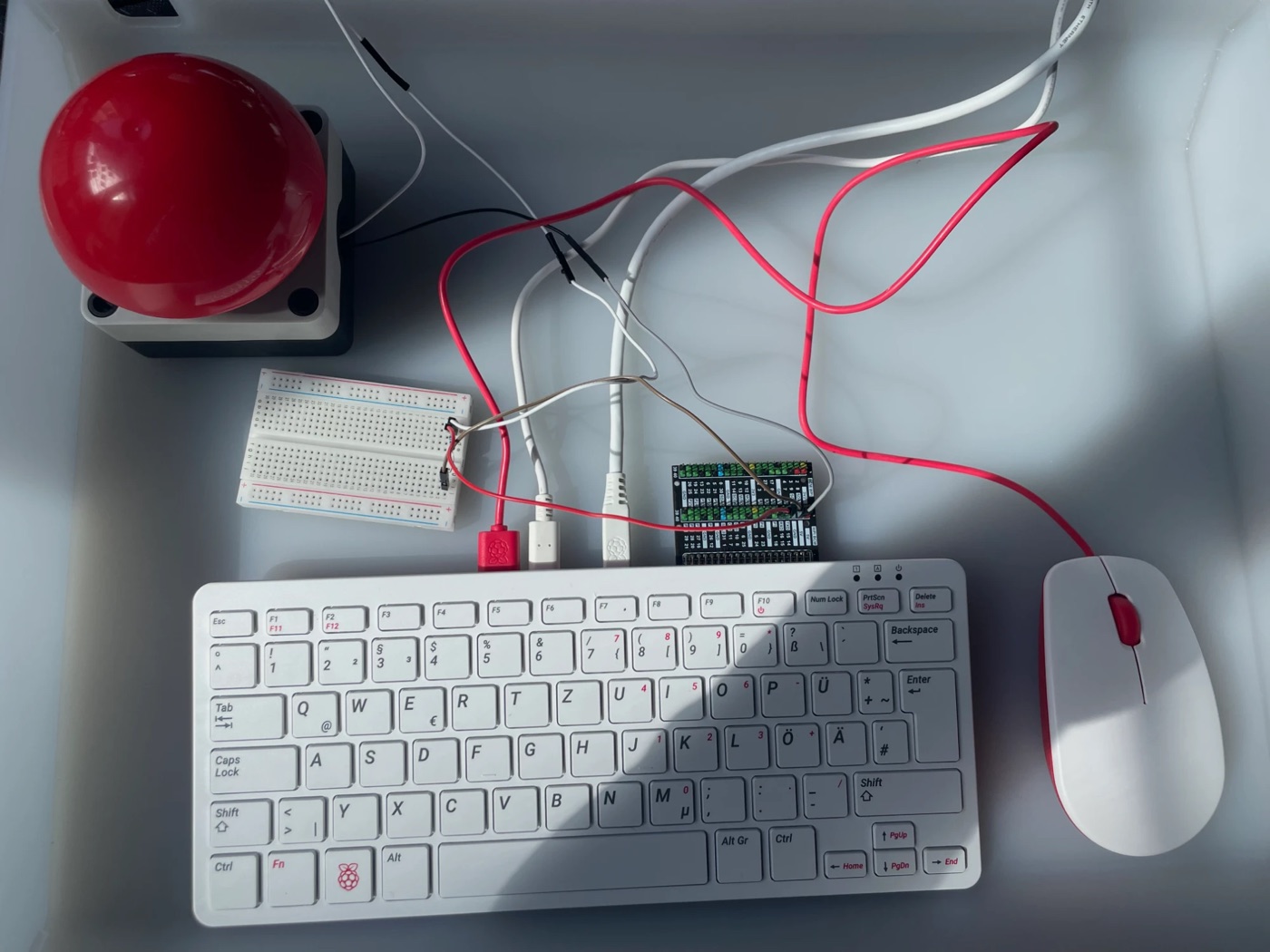
Pipe prototypeA Raspberry Pi triggers the videos at the push of a button
This demo creates a real water leakage at the push of a button, triggering the system in real time. Two monitors display and explain the end-to-end process, making the technology accessible to a diverse audience on the Campus. A pump system was integrated that created leaks and triggered the system's response in real-time. Together with a software developer and a video designer, the videos were created and triggered with a Raspberry Pi. The final version was housed in a rugged, transportable case, making it easy to showcase at national and potentially international exhibitions.
Battery Storage
Business Innovation Workshop (source: adobe stock)
TESVOLT, a global leader in the production of battery energy storage systems (BESS), wanted to evaluate value-added services for its customers at the interface of IoT and risk management. HDI TH!NX was involved to help speed up the discovery process and create a multi-stakeholder view of business opportunities.
We designed a workshop to discuss and align various perspectives from strategy to product at TESVOLT as well as the risk consulting and underwriting expertise of HDI, resulting in a common understanding of each party's drivers, challenges and vision, the discovery of 2 potential IoT based value propositions incorporating an innovative insurance offering, and the arrangement of a connection to a strategic partner within our network.
"I appreciate the chance to attend the workshop with an interdisciplinary team and was impressed by the collaborative environment. The diverse perspectives and robust methodology we used helped us to explore use cases effectively, highlighting the value of such collaboration in risk management".
AI in Windpower
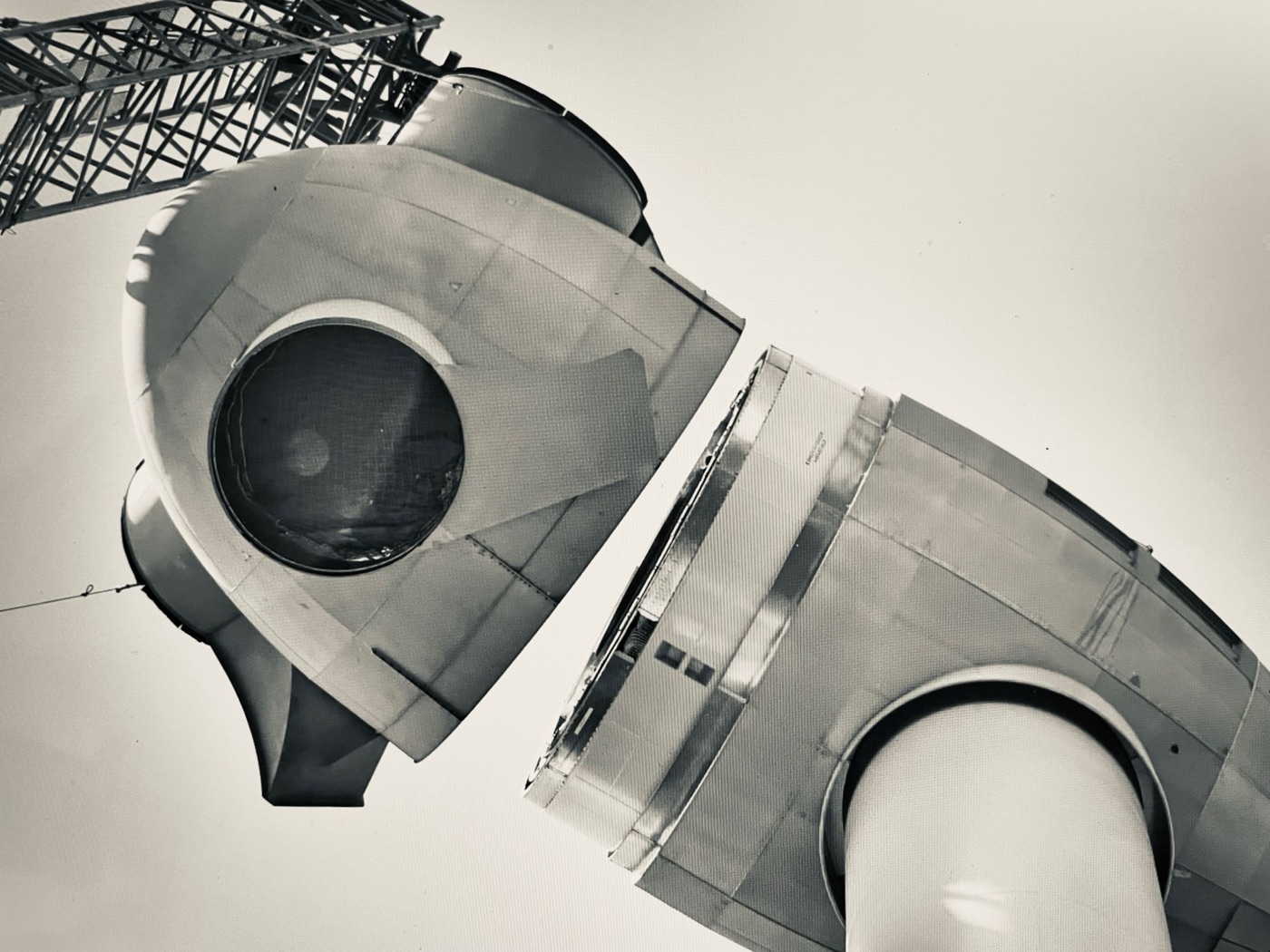
Nacelle of a wind turbine hanging from a crane, seen from below
This was a combination of a 60+ people event for a public audience and a requirements workshop with our business partners Turbit and HDI Global, in order to implement AI solutions in the monitoring of wind parks for preventive maintenance and risk management.
The requirements workshop brought all stakeholders together and built a common understanding. By the end of the session, we had a comprehensive roadmap with well-defined next steps.
"Amidst heated debates and diverse viewpoints, a remarkable atmosphere of the will to achieve something together emerged. This workshop vividly demonstrated how different perspectives can lead to innovative and sustainable solutions."
Today
My challenge since 2025: How to create an empathic robot
A robot that sees, listens and talks with vulnerable people is a compliance challenge: data protection, AI regulation and safety. Making that work is my job.
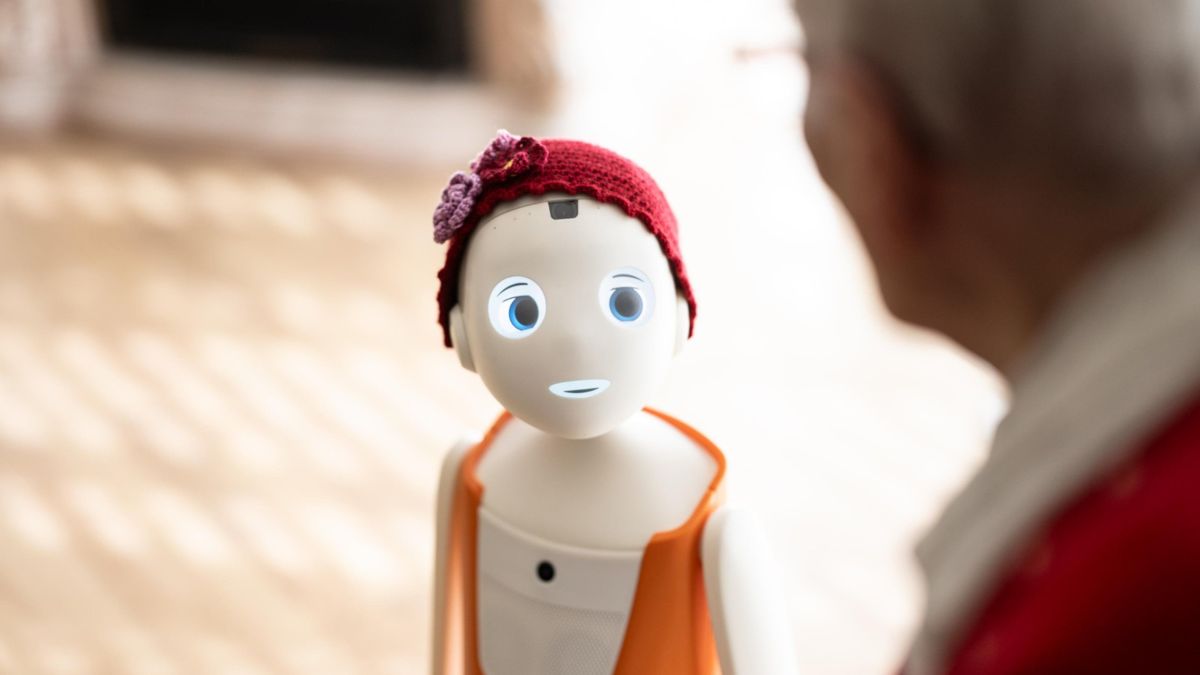
Photo: navel robotics
Navel is a social robot for care facilities. He makes eye contact, addresses people by name, remembers earlier conversations and responds with empathy, activating residents emotionally and cognitively.
Care has too few hands for too many people. Navel does not replace caregivers. It gives residents attention in the moments when nobody else has the time.
I grew up in a peaceful little town in the south of Germany and studied physics in Munich. It is great to understand the world and why the sky is blue. But it was a bit nerdy, so I became an engineer. I like the challenges of engineering: they are clear, and in the end you have something that works. But who sets the requirements? Exactly this is where engineers have to understand humans - and they are not good at it. So I moved to Berlin to study Design Thinking: to learn about team dynamics and collaboration, and to work on the challenges of people with user-centric design. Now I see myself at the interception between the user and the dev team.